New York City and Long Island
Parkways are closed to commercial trucks, so the route needs planning.
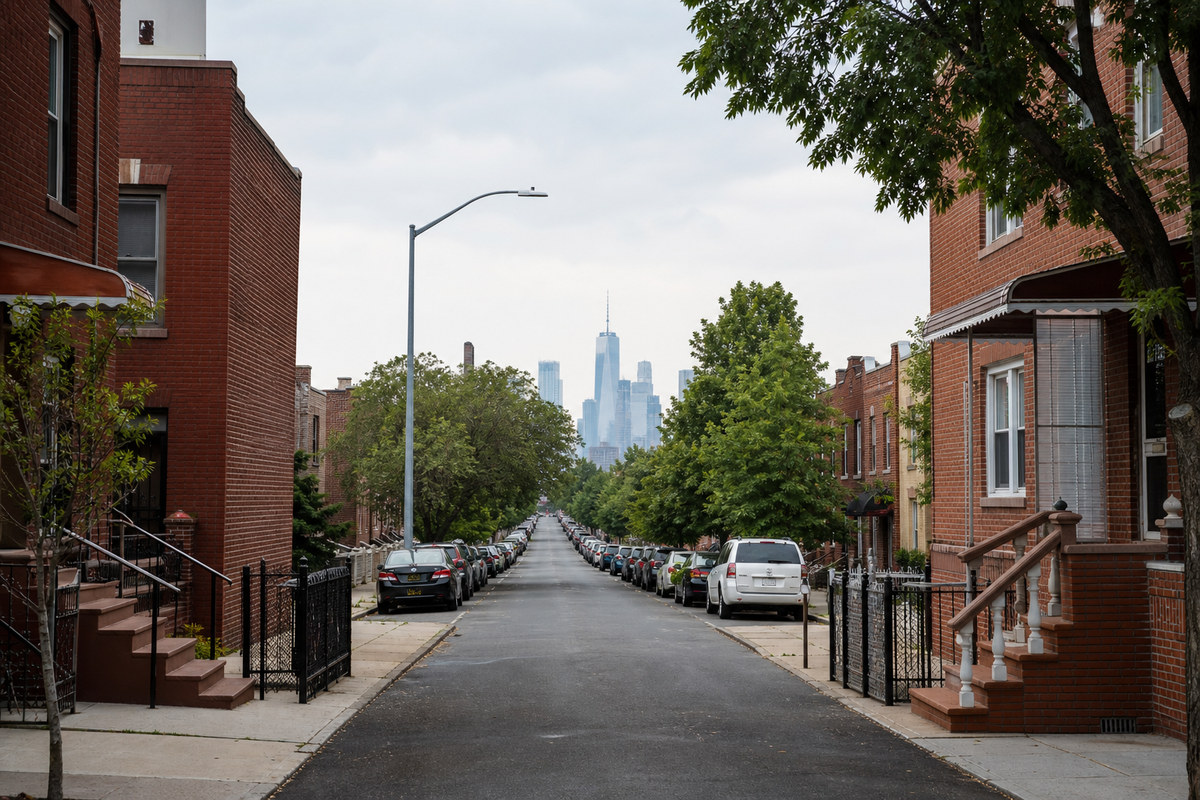
Every parkway here is closed to commercial vehicles: the Belt, the Grand Central, the Cross Island, the Northern State, the Southern State, the Meadowbrook, the Wantagh, the Sagtikos and the Ocean. They were built in the 1930s for cars, and posted clearances under some of the stone bridges are less than eight feet, so a delivery truck has to use roads such as the Long Island Expressway, Sunrise Highway, Jericho Turnpike and Route 25A, and a phone app that does not know the vehicle is commercial can send a driver somewhere a driver cannot go. Placement splits by borough and by shore. In much of Brooklyn, Queens and the Bronx there is no alley, so the curb cut is the approach and the working space is the street itself, and anything that has to occupy a street or a sidewalk has to be arranged with the city ahead of time. Staten Island and eastern Queens can have a driveway to work with. Out on the Island the ground tells you what to expect: the North Shore is the moraine, so it is hilly, bouldery and full of glacial till, while the South Shore is flat outwash sand, easy to back across and soft enough that blocking gets planned in advance.
The Hudson Valley and the Catskills
A short run north out of the metro, and then the ground changes.
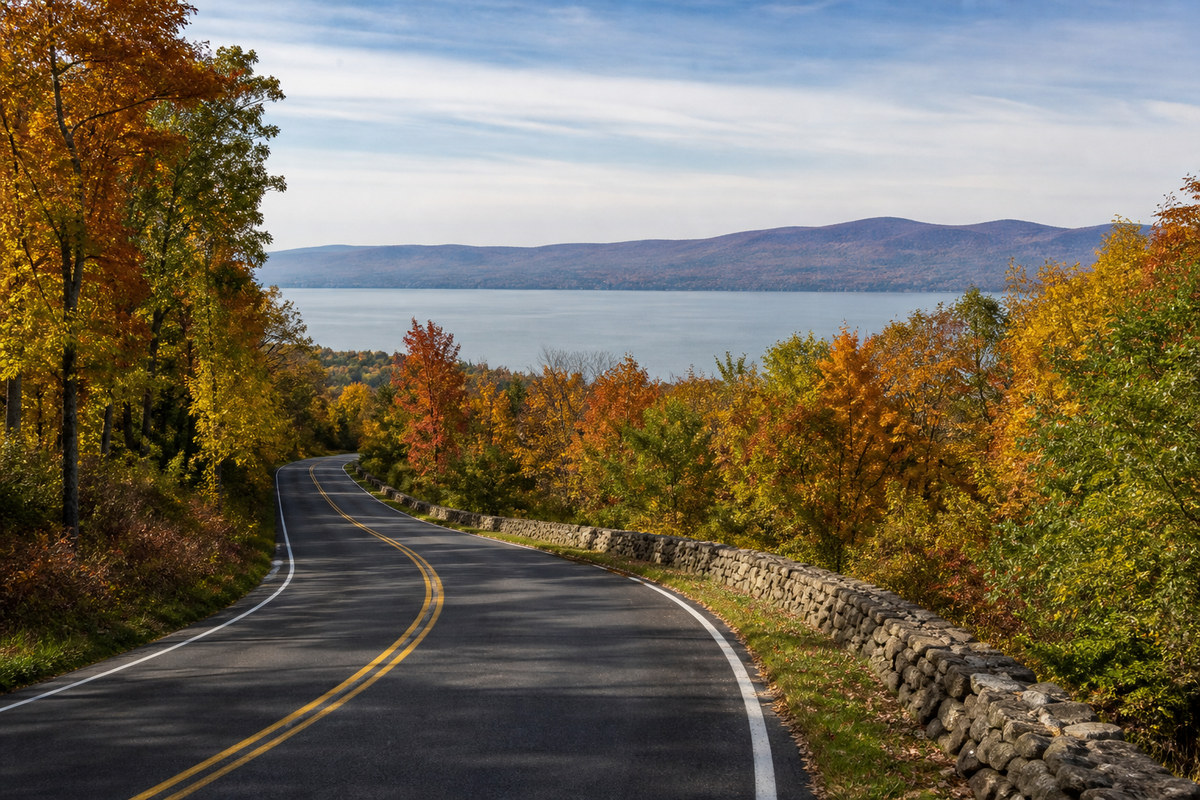
Start with the roads, because in Westchester and Rockland the parkways are closed to commercial trucks. The Taconic, the Saw Mill, the Sprain, the Bronx River, the Hutchinson and the Palisades are all parkways, so a delivery has to use roads such as the Thruway, I-287, I-684, Route 9, Route 9A and Route 100, and cross the river at the Governor Mario M. Cuomo Bridge, Bear Mountain, Newburgh Beacon, the Mid-Hudson or the Kingston Rhinecliff. Westchester lots can be tight: mature trees, a stone wall right at the lane, and a driveway with a bend and a slope in it. A tilt bed needs 130 feet of straight, level run to slide a 40ft box off the deck and 110 feet for a 20ft. In the Catskills, a Platte Clove or Stony Clove approach (a clove is a steep ravine) should be talked through rather than assumed. Then there is the Black Dirt around Pine Island, Florida and Chester in Orange County, a drained glacial lake bed that is known for onions and will not hold steel when it is wet, so plan for a dry week or a stone pad.
The Capital Region, the Adirondacks and the North Country
The Northway covers most of the distance, and then the last mile is a town road that the town may not plow.
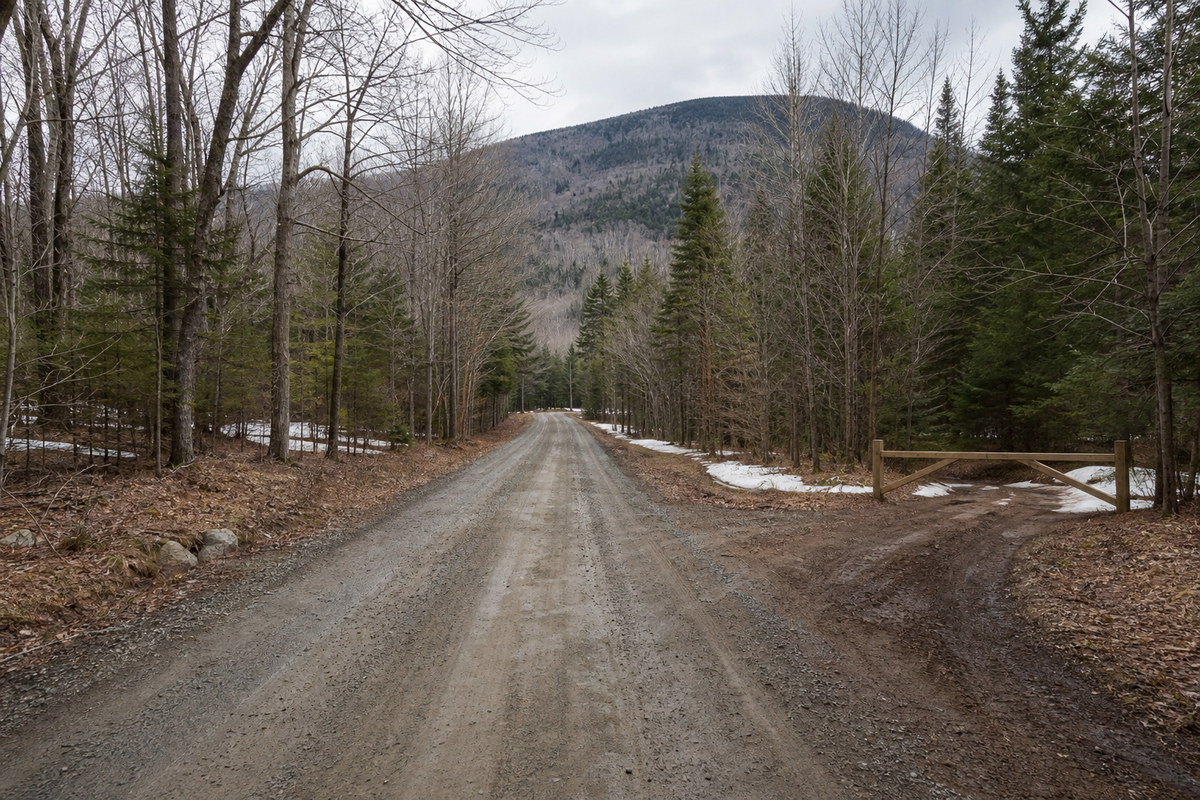
From Albany north the map gets long and the last mile gets interesting. The Capital Region itself is flat: Albany, Schenectady, Troy, Colonie and the Route 7 and Route 9 corridors, with the fab at Malta in Saratoga County. North of Glens Falls the Northway runs into the Adirondack Park, which covers six million acres. It is also a patchwork of state Forest Preserve and private land, so an address up here can be a camp on a private drive behind a gate, and a useful question is who maintains the last three quarters of a mile. Some town roads here are marked as seasonal use, meaning the town stops maintaining them for the winter, and through the spring thaw towns post weight limits on their own roads, which can close a soft road to a loaded truck while the state highway two miles away is fine. Mud season is a real season here. The ground, once you are on it, is glacial till with boulders in it, sand and gravel outwash along the rivers, and bedrock near the surface in the High Peaks. Further west the Tug Hill can take heavy lake effect snow.
Central New York, the Mohawk Valley and the Southern Tier
Syracuse and the I-81 corridor. A snow belt that can affect winter delivery dates.
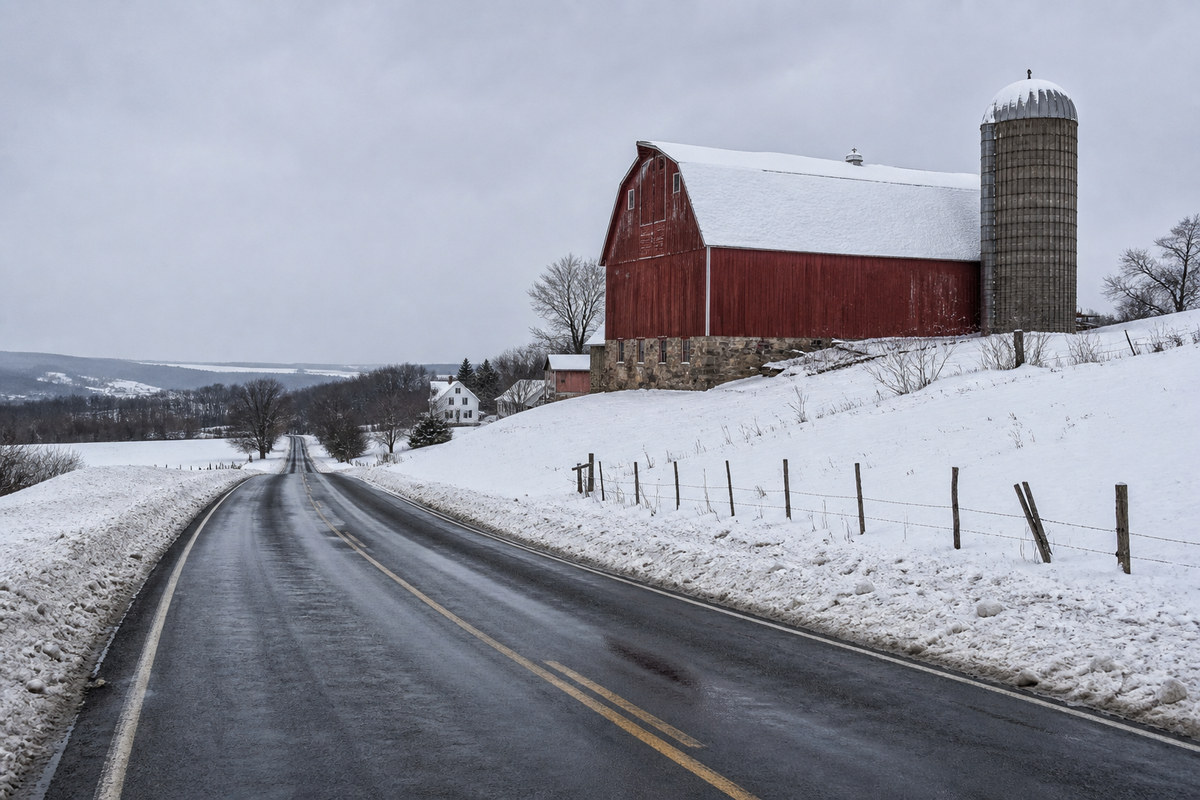
Micron began site work at Clay in Onondaga County in 2026, and there is a silicon carbide fab at Marcy and the Griffiss campus at Rome up the valley. The I-81 corridor through Syracuse is under a long rebuild, and the state has been converting exit numbers on central New York interstates to mile-based numbers, so a printed exit number and the sign on the pole do not always agree. Plan the delivery from the address, not the exit. The ground varies: heavy Onondaga clay around Syracuse, good alluvial silt on the Mohawk flats and through the Chenango and Susquehanna bottoms, and shale close to the surface once you climb into the Southern Tier hills.
Rochester and the Finger Lakes
Drumlins, lake clay and steep lakeside drives.
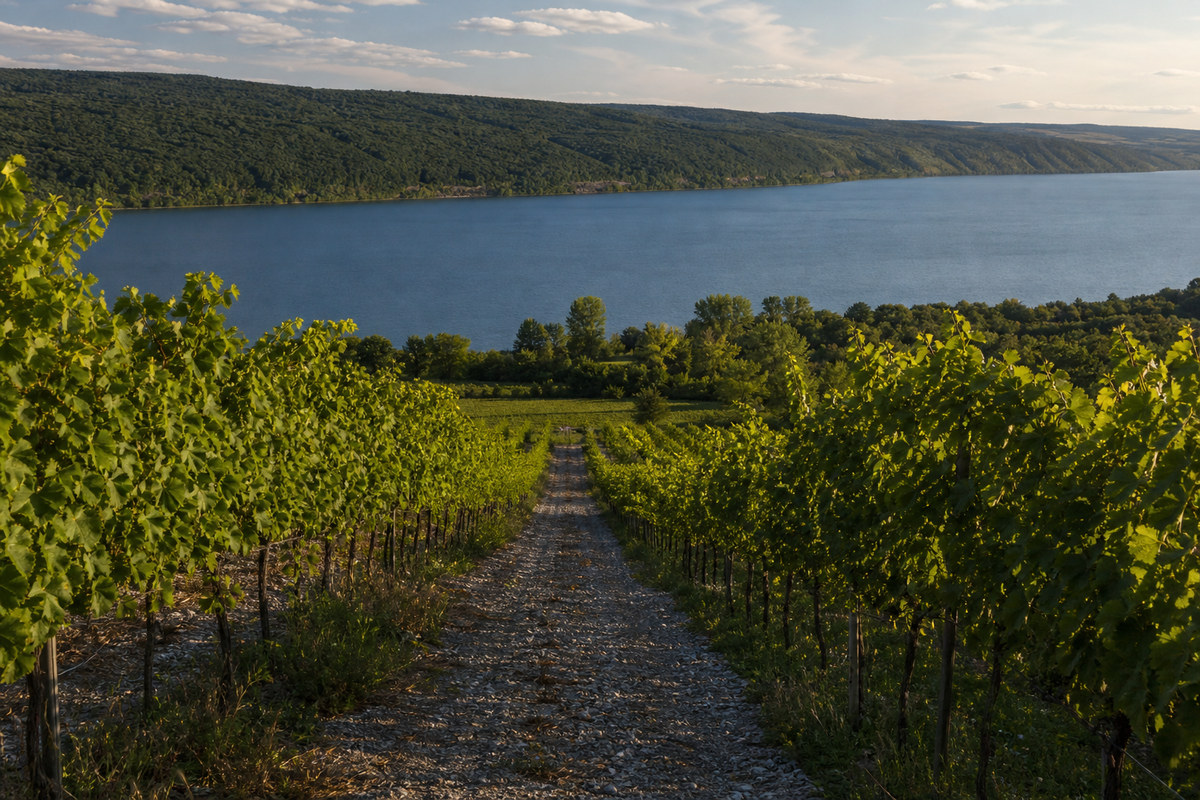
The Finger Lakes are glacial troughs, which is a geologist's way of saying the land beside them is steep. A lakeside address here can mean a narrow, switchbacked drive down toward the water, sometimes shared by several cottages, sometimes with a right of way and a turnaround that was sized for a pickup. That last two hundred feet is the delivery conversation, and it is worth having before the truck is loaded rather than at the top of the hill. North of the lakes the map flattens onto the Ontario lake plain, where two things matter. First, the drumlin field through Wayne and Cayuga counties is full of steep sided hills that can look flat in photographs. Second, the lake plain soil is heavy lacustrine clay that turns greasy after real rain and firms up once it dries. Rochester itself is flat ground with roads on I-390, I-490, I-590 and Route 104, and the older city blocks in Greece, Irondequoit and the nineteenth ward can have narrow lots with a driveway between two houses and a service drop over it. Rochester is a two hundred and fifty nine mile run from the depot that serves it, the longest of the three priced New York cities.
Western New York and the Niagara Frontier
The shortest haul and lowest delivered price of the three New York cities priced here. Flat ground, wide roads and lake effect snow.
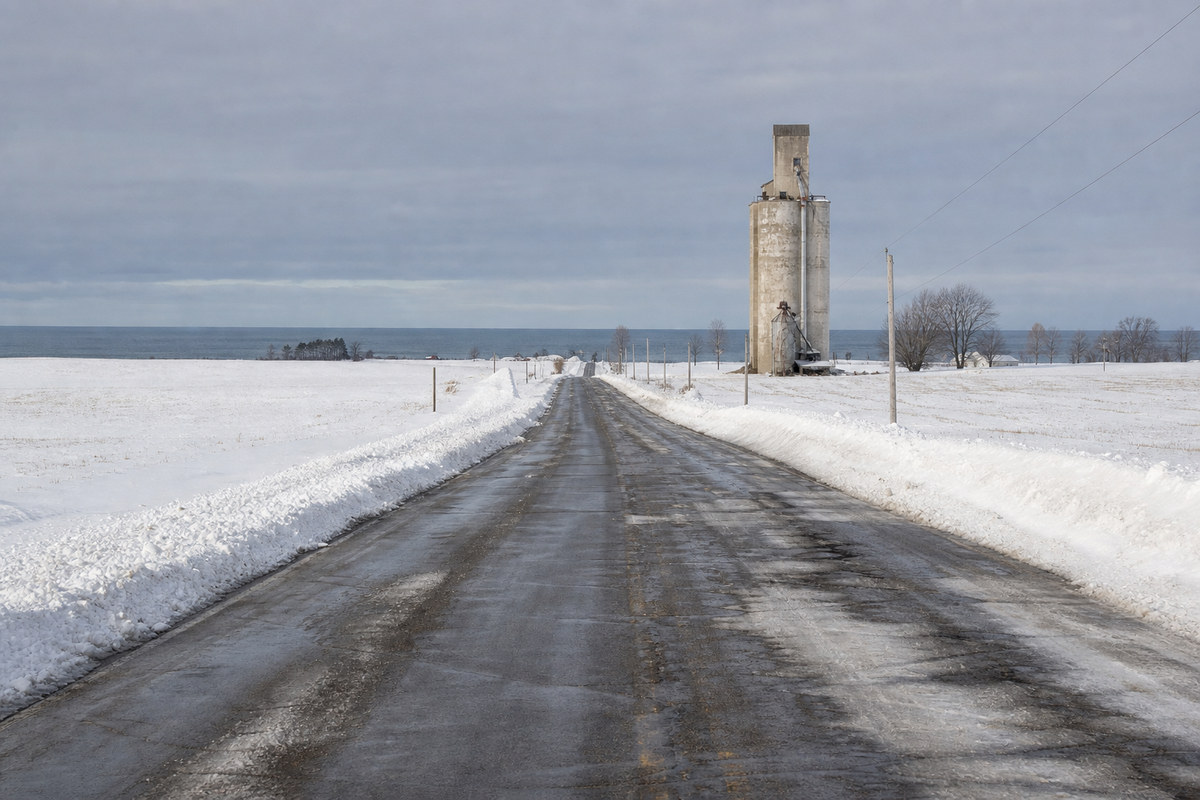
Buffalo, in Western New York, is the shortest run of the three New York cities priced here and carries the lowest delivered pricing of the three, starting at $2,886 for a 20ft Wind and Water Tight container. The lake plain is flat and the grid roads are wide. Local route numbers include the 33 for the Kensington, the 198 for the Scajaquada, which is low and restricted to trucks, the 290 for the Youngmann and the 219 down to the Southtowns. The Grand Island bridges are the link up to Niagara Falls and Lewiston, and the Niagara Escarpment at Lockport is a grade change. Winter is a planning item here, and it is regional rather than general: a lake effect band off Erie can sit over Hamburg, Orchard Park, West Seneca and Colden and drop feet while downtown gets an inch, and when the county calls a driving ban, travel inside it is restricted until the ban lifts. Ground is mostly heavy clay till, which sets up firm once dry and stays greasy while wet, and the older city blocks run to narrow lots with a shared drive and a garage at the back. South and west the region turns rural: the Chautauqua Concord grape belt and the hill farms and gas wells of Cattaraugus and Allegany.